The Legacy of Nosferatu
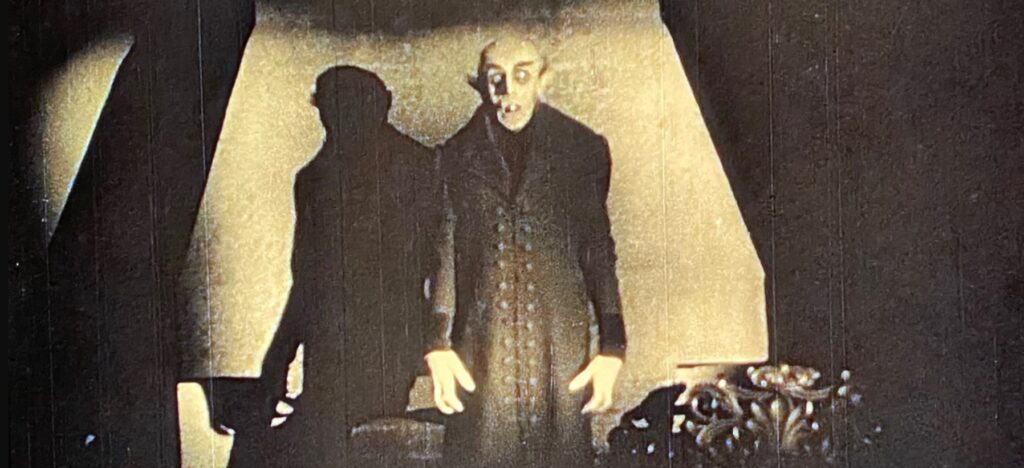
Released in 1922, ‘Nosferatu’ stands as a cornerstone in the evolution of horror cinema. Directed by F.W. Murnau, this silent film is an unauthorized adaptation of Bram Stoker’s ‘Dracula’ and showcases the unique stylistic attributes of German Expressionism. It’s often regarded as one of the earliest examples of the horror genre, and its pioneers paved the way for future filmmakers to explore the terrifying realms of the supernatural. The film’s striking visuals and atmospheric design transform the narrative into an unsettling experience that lingers in the viewer’s memory.
The nightmarish figure of Count Orlok, portrayed by Max Schreck, serves as an iconic representation of horror. His grotesque appearance, coupled with the film’s haunting cinematography, solidifies Orlok’s status as one of cinema’s most formidable villains. The unsettling use of shadow and light throughout the film not only enhances the narrative tension but also reflects the inner turmoil of its characters. Themes of fear, isolation, and the battle between good and evil resonate deeply within the cinematic landscape, echoing through the decades and influencing the aesthetic choices of future horror films.
The lasting impact of ‘Nosferatu’ can be seen across various media, inspiring numerous adaptations and reinterpretations. Its legacy lives on, particularly in Robert Eggers’ upcoming 2024 adaptation, which seeks to pay homage to the original while offering a fresh perspective on the classic tale. By bridging the gap between past and present, contemporary interpretations of ‘Nosferatu’ provide an opportunity for filmmakers to explore the timeless themes of fear and monstrosity in innovative ways. In this manner, the film remains a relevant cultural artifact, demonstrating that the essence of Gothic horror continues to captivate audiences, eliciting both admiration and terror.
Robert Eggers: Visionary Filmmaker
Robert Eggers has emerged as a significant figure in contemporary cinema, largely due to his unique storytelling techniques and profound commitment to authenticity. His filmography, which includes critically acclaimed works such as The Witch and The Lighthouse, showcases his ability to transport audiences into meticulously crafted historical settings. Eggers is renowned for his meticulous attention to detail, ensuring that each visual element reinforces the narrative’s integrity, an approach that is particularly resonant within the realm of gothic horror.
In The Witch, Eggers draws viewers into a 1630s New England settlement, where the oppressive Puritan atmosphere enhances the story’s tension and dread. He artfully harnesses the power of folklore, elevating the psychological aspects of horror, which invites audiences to engage in a deeper exploration of fear. In a similar fashion, The Lighthouse employs a stylized black-and-white cinematography effectively to evoke maritime history while simultaneously blurring the lines between reality and madness. This innovative method amplifies the narrative’s psychological depth, enveloping viewers in the characters’ tumultuous psyches.
With the adaptation of Nosferatu, Eggers is well-positioned to integrate his distinctive style with the film’s gothic aesthetic. His profound understanding of character development lends itself to a richly nuanced portrayal of the iconic vampire, enabling the exploration of themes surrounding isolation, evil, and existential dread. Furthermore, Eggers’ propensity for utilizing atmospheric sound design and natural lighting will likely complement the eerie visual language that characterized the original Nosferatu. As he embraces this project, fans and critics alike await his innovative vision, which promises to redefine how audiences experience gothic horror in a modern context.
Plot and Themes of the 2024 Adaptation
The 2024 adaptation of ‘Nosferatu’ reinvigorates the classic narrative with a contemporary lens, weaving a tale that resonates with present-day audiences. The plot follows a young, ambitious real estate agent, Thomas, who ventures to a remote village in Transylvania to negotiate a property deal. Unbeknownst to him, the land is shrouded in a dark history linked to the enigmatic Count Orlok. As Thomas delves deeper into the transaction, he develops an unsettling connection with Orlok, portrayed as both a victim and perpetrator of his grotesque existence. Their dynamic encapsulates the profound interplay between predator and prey, beautifully illustrating the themes of fear of the unknown and isolation.
As the story unfolds, the motifs of desire and its darker implications become increasingly prominent. Thomas’s initial ambition morphs into a poignant exploration of longing, ultimately leading him to confront the terrifying reality of his aspirations. The longing for security and validation becomes a haunting mantra, as the characters grapple with their internal demons. Orlok, transcending his role as a mere antagonist, serves as a complex character whose desires mirror those of Thomas, bringing forth themes of human longing and existential dread.
The film further enhances these themes through meticulously crafted visual and auditory elements. The chilling aesthetics amplify the atmosphere of unease synonymous with the gothic horror genre. Through the use of shadowy cinematography and an eerie score, viewers are immersed in a world where isolation becomes palpable, as both the protagonists and audiences alike confront their fears. The 2024 adaptation of ‘Nosferatu’ not only revisits the horror landscape but also serves as a reflection of contemporary societal fears, making it a profound commentary on human nature and the tumultuous desires that drive us. In conclusion, the film’s rich narrative and thematic depth offer an engaging experience, inviting audiences to examine their own fears and desires in a hauntingly beautiful manner.
Reception and Impact on the Horror Genre
As the release of Robert Eggers’ anticipated film ‘Nosferatu’ draws near, the horror community has become increasingly engaged in discussions regarding its potential reception and overall impact on the genre. Early promotional materials, including trailers and behind-the-scenes footage, have generated significant buzz, showcasing Eggers’ distinctive cinematic style and his commitment to restoring the gothic horror aesthetic that so richly defined the original 1922 classic.
Early reviews from film festivals and critics suggest that ‘Nosferatu’ successfully blends traditional elements of gothic horror with modern storytelling techniques. This synthesis is likely to capture both genre aficionados and new audiences, thereby broadening the appeal of horror films. Critics have remarked on Eggers’ ability to create an enveloping atmosphere rife with tension and dread, akin to his previous films such as ‘The Witch’ and ‘The Lighthouse.’ These features raise expectations, hinting at a revival of the gothic horror genre that may intertwine with contemporary themes, making it relatable for today’s viewers.
The anticipated influence of ‘Nosferatu’ on the future trajectory of the horror genre cannot be understated. If successful, the film has the potential to inspire a new wave of horror films that echo its stylistic choices while integrating fresh narratives. This resurgence of gothic elements could lead to a renaissance of sorts, encouraging filmmakers to explore darker, more intricate storytelling that draws on the genre’s rich heritage.
In conclusion, the reception of ‘Nosferatu’ stands to not only redefine audience expectations but also catalyze a significant evolution within the horror genre. The film’s premiere may serve as a turning point, influencing future adaptations of gothic horror themes and expanding the scope of what horror can achieve in modern cinema.